


About Us
Book Your Free Consultation
Barry M. Spencer-Higgins LL.B(Hons), MOI, Barrister-at-Law, Grays Inn (London) NP CEO and Senior Consultant
The SCF Group was originally established in 1989 by UK barrister Barry M. Spencer-Higgins and his late Father John Spencer-Higgins. In the case of Barry Spencer-Higgins, he has written a number of tax planning text books together with smaller publications on how to buy property in the UK and Spain. Over the years he has been interviewed by Sky TV, Legal Network TV and written articles for numerous professional publications and newspapers. With a wealth of experience spanning over 30 years and contacts throughout the world, we believe that not only can we provide objective advice on the best and most appropriate structures but do so at competitive rates.

TAILORED TAX PLANNING CONSULTANCY LED BY BARRY SPENCER-HIGGINS
The main advantage of using SCF to advise on your personal and business tax planning needs is that we are not tied to any particular jurisdiction or structure. This means that you can rest assure that any structural advice will be objective, professionally led, functional and cost effective due to contacts built up over many decades.
PROFESSIONALLY QUALIFIED EXPERTS
Apart from Mr. Spencer-Higgins, SCF has access to a wide range of professionally qualified experts encompassing certified accountants, chartered accountants, and specialist international tax lawyers based throughout the world including countries such as Ireland, Cyprus, Luxembourg, Hong Kong, Singapore and of course Gibraltar. In all cases, our associates have been carefully selected and have the benefit of indemnity insurance for safety of mind.

TAX PLANNING IN A CHANGED WORLD
Over the last couple of decades, the tax planning environment has become far more regulated whilst anti-avoidance provisions in virtually all developed countries have almost universally adopted ‘substance over form’ legislation. However, and this cannot be stressed enough, there still remains substantial room for both individuals and companies to make significant legitimate tax savings and/or protect assets from 3rd party attack. The difference, which is actually a good thing, is that it is now essential that management and control be proven which by definition requires the establishment of structures in respectable and regulated jurisdictions. In the case of SCF, we will consider all relevant factors including tax treaties, EU directives and regulations, the personal residency of clients etc. to ensure that our structures are robust and properly managed.
DEALING WITH THE POST BREXIT WORLD
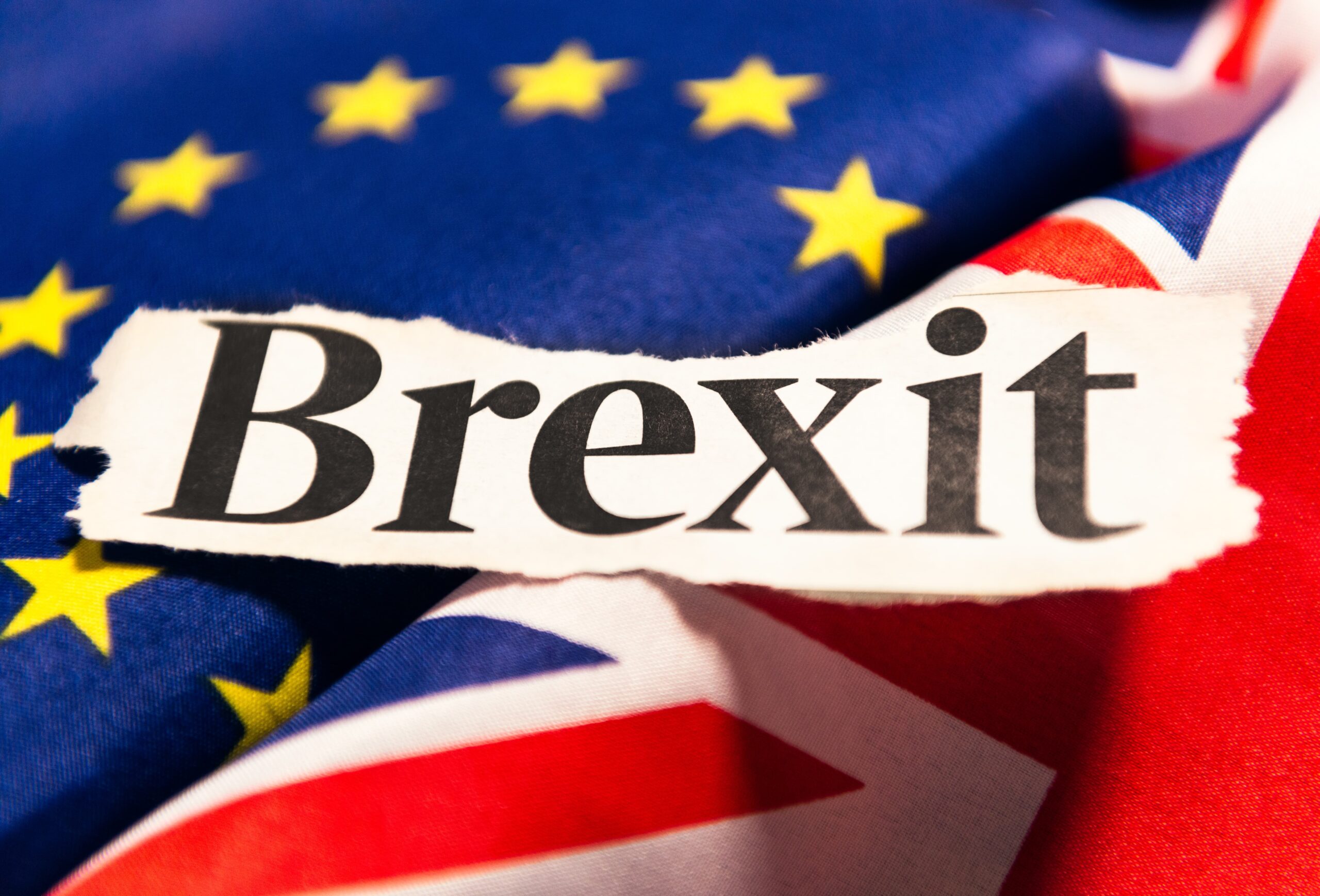
The decision by the United Kingdom to leave the EU on the 31st of January 2020, was without doubt, one of the most momentous decisions ever taken and one which has fundamentally changed both tax planning advice and structures for both UK individuals and businesses alike. For example, the reliance on EU directives and regulations (such as 90/435 for dividends and 03/49 for interest) is no longer possible with each and every EU transaction now having to be carefully considered by reference to tax treaties. Another consequence is that the need/demand for UK businesses to establish subsidiaries within the EU has greatly increased much to the benefit of countries such as Ireland, Cyprus and Malta.
Over the years, our commitment to excellence and passion for our clients has been recognized.
THE DEMAND FOR COMPANIES IN LOW TAX JURISDICTIONS HAS INCREASED

IRELAND
With the departure of the UK from the EU, it is expected that many UK businesses with significant trading within the EU will seek to establish a presence within the EU itself to avoid the inevitable tariffs and bureaucracy. In particular, the apparent stance of the EU as expressed by the President of the European Commission, Jean-Claude Juncker, to exclude services from any future tax treaty will leave many in the UK service sector with no choice but to establish an EU presence. For this reason, the SCF Group has established a full range of managed company services, run by local chartered accountants, in the Republic of Ireland that will not only benefit from being in the EU but also from the local 15% corporate tax rate and of course the ability to register for VAT.

GIBRALTAR
Although no-longer in the EU, Gibraltar’s low corporate tax rate of 15%, excellent regulatory environment and use of common law mean that it and its local companies are often very useful in tax planning. However, its main advantage is that it offers well-regulated private interest foundations which are self-owing and can offer many structural benefits. In addition, it also offers attractive tax dispensations for wealthy individuals together with a favourable environment for the insurance and gambling sectors.

CYPRUS & MALTA
Cyprus offers the same 15% corporate tax rate as the Republic of Ireland and a more liberal and flexible corporate management system. However, it is not suitable for many businesses as it is vital that any EU base can be shown to have been selected for genuine business and not tax purposes. In the case of Malta, it offers a more sophisticated tax system which ostensibly has a 35% corporate tax rate but one that provides provisions for dividend rebates from offshore shareholding companies resulting in a potential tax rate to as low as 5.5%! Malta is particularly attractive for those in the insurance and gambling sectors.